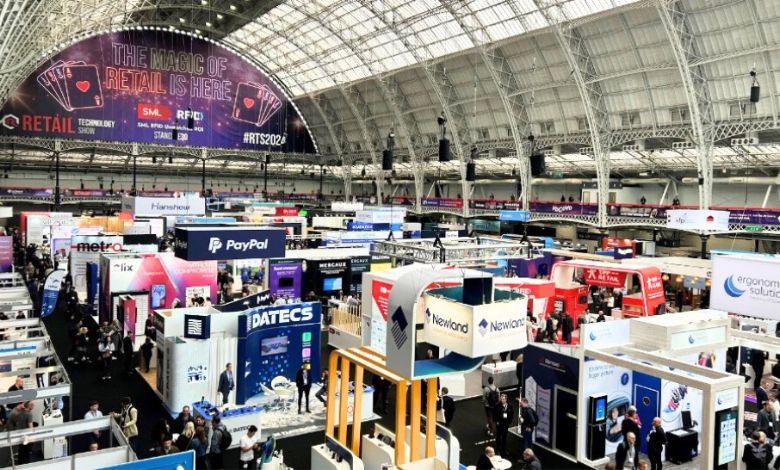
Step onto any convention floor, and you immediately feel sensory overload. Hundreds of exhibitors compete for attention within identical footprints beneath dim rafters and buzzing industrial lights.
Attendees stroll down aisles with divided focus, scanning booths for mere seconds. If your display blends into standard pipe-and-drape curtains and flat pull-up banners, prospects walk past without slowing down.
This visual barrier is why savvy exhibitors are replacing static vinyl with internally illuminated lightboxes. Strategic lighting is not an aesthetic afterthought; it is an architectural hook that dictates where human eyes look first. Integrating illuminated elements into your trade show booth design fundamentally transforms your visibility on the floor.
1. Piercing Through Harsh Convention Hall Lighting
Backlit displays increase booth foot traffic by delivering high-contrast illumination that cuts through cavernous convention hall gloom, making graphics legible from down the aisle.
Most exhibition centers suffer from uneven, unflattering overhead lighting. High-bay sodium or fluorescent lamps cast murky shadows and mute standard printed banners, washing out brand colors.
Internal LED illumination changes this dynamic entirely. By projecting light forward through translucent fabric, a lightbox creates a high-contrast focal point that breaks up visual monotony. While neighboring booths look flat under ambient lights, an illuminated backdrop creates an eye-catching visual window that commands attention from fifty paces away.
2. Accentuating Color Saturation with High-Definition Printing
Backlighting intensifies graphic vibrancy and color saturation, creating rich, photographic visuals that draw the human eye toward key branding elements.
When light passes through printed fabric from behind, colors appear significantly deeper and more dynamic than when lit by external spotlights. However, achieving that brilliant glow requires specialized print production. If ordinary inks or substrates are used, LEDs wash out dark tones, leaving images looking milky.
To produce rich, light-diffusing fabric graphics, modern print shops utilize industrial-grade dye sublimation printers that bond inks directly into polyester textile fibers. This process allows illuminated silicone edge graphics to achieve rich blacks, crisp typography, and true brand pantones that never fade under intense LED lumen output.
3. Serving as a Wayfinding Beacon from Distant Aisles
Illuminated displays act as natural visual anchors across crowded exhibition halls, giving attendees a clear orientation point to navigate toward from multiple rows away.
Trade show attendees rarely walk every aisle in order; they scan the horizon for recognizable or compelling visual beacons. Because human vision is biologically wired to gravitate toward light sources, a glowing graphic header immediately catches the eye above crowd height.
Common Mistake: Positioning crucial messaging below waist level. Keep your illuminated logo, tagline, and primary value proposition above six feet on your lightbox so distant foot traffic spots it over the crowd.
When attendees spot your radiant signage across the hall, your booth shifts from an accidental encounter into an intentional destination.
4. Eliminating Glare and Unsightly Shadows
Backlit lightboxes eliminate reflective glare and deep shadows caused by overhead spotlights, providing clean, unobstructed viewing angles from anywhere in the aisle.
Traditional pop-up displays often rely on clip-on spotlight arms mounted above the frame. While functional, these fixtures create obvious drawbacks:
- Harsh hot spots burn out the top of the graphic while leaving the lower half in shadow.
- Overhead bulbs reflect blinding glare off glossy laminated film.
- Clunky clamps and dangling power cords look cluttered and unpolished.
Modern backlit systems place energy-efficient LED arrays behind tension fabric. Light diffuses evenly across the entire graphic without hot spots or reflections, ensuring your message remains legible whether an attendee approaches from the side or stands directly in front.
5. Projecting Market Authority and Enterprise Credibility
A polished, illuminated booth presentation projects enterprise stability, reassuring prospective clients of your brand’s credibility before a conversation even begins.
First impressions happen in seconds. Attendees make rapid judgments about a vendor’s quality and market standing based on booth aesthetics. A sagging vinyl banner signals a budget vendor, while a seamless lightbox delivers a modern, upscale presence.
Investing in luminous architecture signals that your company is established and invested in its presence. For enterprise buyers seeking dependable partners, that visual badge of professionalism lowers resistance and makes stepping into your space feel worthwhile.
6. Creating Inviting Dimensionality in Compact Booth Spaces
Illumination creates perceived physical depth within standard 10×10 and 10×20 spaces, making small booth perimeters feel spacious and approachable rather than cramped.
Flat vinyl walls create hard, boxed-in boundaries that can intimidate hesitant attendees. A glowing fabric wall softens the perimeter, adding visual depth that makes the interior feel open.
By layering backlit graphics with foreground elements—like illuminated counters or demo kiosks—you establish distinct visual zones within the booth. This sense of openness encourages attendees to linger, browse product samples, and engage in meaningful conversations with staff rather than glancing and walking away.
7. Providing a Flattering Backdrop for Social Content and Demos
Evenly diffused lightbox displays double as professional lighting setups, producing flattering illumination that encourages product photos, video clips, and social sharing.
With trade shows functioning as live content hubs, booths that look great on camera capture outsized value. Overhead hall fixtures often cast unflattering facial shadows, discouraging attendees from participating in video demos or taking photos.
Because backlit fabric displays emit soft, dispersed light, they effectively serve as large studio softboxes. Live demonstrations film cleanly, attendee photos look vibrant, and visiting media naturally gravitate toward the backdrop to record interviews and boost trade show lead generation opportunities.
Attracting consistent foot traffic at a crowded trade show is not about shouting louder or giving away cheaper novelty pens. It is about understanding the sensory dynamics of the exhibition floor and engineering an environment that commands attention naturally.
Backlit displays bridge the gap between passing foot traffic and meaningful commercial engagement. By cutting through ambient hall gloom, delivering crisp color fidelity, eliminating glare, and establishing an inviting visual presence, illuminated graphics transform standard floor space into an impossible-to-ignore brand destination.