
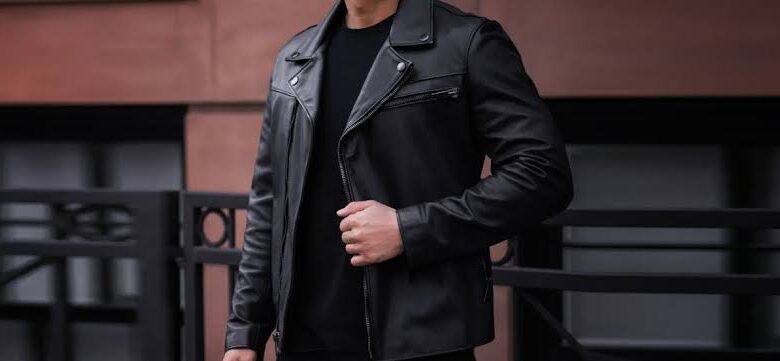
It’s one of the most common questions leather jacket owners ask right before stepping outside on a rainy day: is it actually okay to wear this in the rain, or am I about to ruin it?
The short answer is yes, you generally can wear a leather jacket in the rain, but there’s more nuance to it than a simple yes or no. Quality leather has some natural water resistance, but how you handle the jacket during and after exposure makes a real difference in whether it comes out fine or ends up damaged.
This guide walks through exactly what happens when leather gets wet, when it’s safe to wear a leather jacket in the rain, and the right way to care for it afterward.
Does Rain Actually Damage Leather Jackets?
Light, occasional rain exposure is generally safe for a genuine leather jacket, especially if it’s dried and cared for properly afterward. The real risk comes from prolonged exposure or improper drying, not a quick walk through a light drizzle.
What Rain Can Cause If Handled Poorly
- Water spots or staining, particularly on lighter leather colors
- Stiffness if the jacket dries too quickly near a heat source
- Long-term fiber weakening from repeated, unmanaged moisture exposure
The key word here is “unmanaged.” A single rainy commute isn’t likely to ruin a well-made leather jacket, but ignoring the aftermath repeatedly can shorten its lifespan.
How Different Leather Types Handle Rain
Not all leather responds to rain the same way, which is worth understanding before deciding how cautious to be.
Full-Grain Leather
Full-grain leather tends to have the best natural resistance to moisture, thanks to its dense fiber structure and minimal processing. It can typically handle light rain exposure without significant issues, as long as it’s dried properly afterward.
Top-Grain Leather
Top-grain leather also holds up reasonably well in light rain, though its slightly more processed surface can be a touch more sensitive to staining if moisture isn’t addressed quickly.
Suede and Nubuck
These leather types are far more vulnerable to rain and generally should be avoided in wet weather altogether, since water can cause noticeable staining and texture changes that are difficult to reverse.
When It’s Fine to Wear a Leather Jacket in the Rain
A light drizzle or brief exposure while walking between destinations is typically not a concern for genuine, well-maintained leather.
Situations where wearing leather in the rain is generally safe include:
- A short walk or commute in light rain
- Brief outdoor exposure during errands or transitions between indoor spaces
- Occasional unexpected rain, as long as the jacket is properly dried afterward
When You Should Avoid Wearing Leather in the Rain
There are certain situations where it’s smarter to reach for a different jacket instead.
- Heavy, prolonged downpours, especially if you’ll be outside for an extended period
- Activities involving heavy physical movement in the rain, like outdoor sports or manual labor
- Older or lower-quality leather that may already have reduced natural water resistance
In these cases, saving the leather jacket for drier conditions and opting for weatherproof outerwear instead is the more practical choice.
What to Do If Your Leather Jacket Gets Wet
If your jacket does get caught in the rain, how you handle it afterward matters far more than the exposure itself.
Step-by-Step Care After Rain Exposure
- Blot, don’t rub. Use a clean, dry cloth to gently absorb excess moisture from the surface.
- Remove the jacket from any heat source immediately. Avoid placing it near a radiator, heater, or in direct sunlight to dry.
- Air dry at room temperature. Let the leather dry naturally and gradually, which helps prevent stiffness and cracking.
- Reshape while slightly damp. Hang the jacket on a wide hanger and gently reshape it as it dries to help maintain its structure.
- Condition once fully dry. Apply a quality leather conditioner to restore any moisture balance lost during the drying process.
Avoiding rapid drying methods is one of the most important steps here, since fast temperature changes are one of the leading causes of post-rain stiffness and cracking.
Do Certain Leather Jacket Styles Handle Rain Better?
Jacket style and finish can also influence how well a leather jacket handles occasional rain exposure.
Heavier, thicker leather builds, like those found in aviator-style jackets, often provide slightly better natural resistance simply due to their denser construction. Distressed leather finishes can also be forgiving in wet conditions, since their weathered appearance already embraces subtle texture variation. A distressed leather aviator jacket, for example, tends to hide minor water spotting more effectively than a smooth, polished finish, making it a slightly more practical choice for unpredictable weather.
Should You Waterproof a Leather Jacket?
Some leather jacket owners choose to apply a leather protectant or waterproofing spray as an extra layer of defense against rain.
Things to Consider Before Waterproofing
- Always test any protectant on a small, hidden area first to check for discoloration.
- Choose products specifically designed for leather rather than general fabric waterproofing sprays.
- Reapply periodically, since most leather protectants wear off gradually with use and cleaning.
Waterproofing isn’t strictly necessary for occasional light rain exposure, but it can offer peace of mind for anyone who frequently wears their leather jacket in unpredictable weather.
Why Leather Quality Affects Rain Resistance
Higher-quality leather generally handles rain exposure better than lower-quality alternatives, largely due to differences in tanning and finishing processes.
This is another reason it’s worth researching brands that are transparent about their materials and construction before buying. Brands like The Leather Coats that prioritize genuine, well-tanned leather tend to produce jackets with better natural resilience against moisture, rather than showing damage after just one rainy day.
FAQs
1. Is it safe to wear a genuine leather jacket in light rain?
Yes, in most cases. Quality leather has some natural water resistance, and light rain exposure typically isn’t harmful as long as the jacket is dried properly afterward.
2. What should I avoid doing if my leather jacket gets wet?
Avoid rubbing the wet area, using a hairdryer, or placing the jacket near direct heat, since rapid drying is a common cause of stiffness and cracking.
3. Can heavy rain permanently damage a leather jacket?
Prolonged, heavy exposure can weaken leather fibers and cause staining over time, especially if the jacket isn’t dried and cared for properly afterward.
4. Should I waterproof my leather jacket before wearing it in the rain regularly? It can help, especially if you frequently wear the jacket in unpredictable weather, though it’s not strictly necessary for occasional light rain exposure.
5. Do heavier leather jackets, like aviator styles, handle rain better than lighter ones?
Generally, yes. Thicker, denser leather builds tend to offer slightly better natural moisture resistance compared to lighter leather weights.
Conclusion
Wearing a leather jacket in the rain isn’t something you need to avoid entirely, but it does call for a bit of awareness and proper aftercare. Understanding how your specific leather type responds to moisture, and knowing exactly how to dry and condition it afterward, makes all the difference between a jacket that holds up for years and one that starts showing damage after just a few rainy days.
Next time the forecast looks unpredictable, don’t automatically leave your leather jacket at home. Just be ready to give it a little extra care once you’re back inside.