
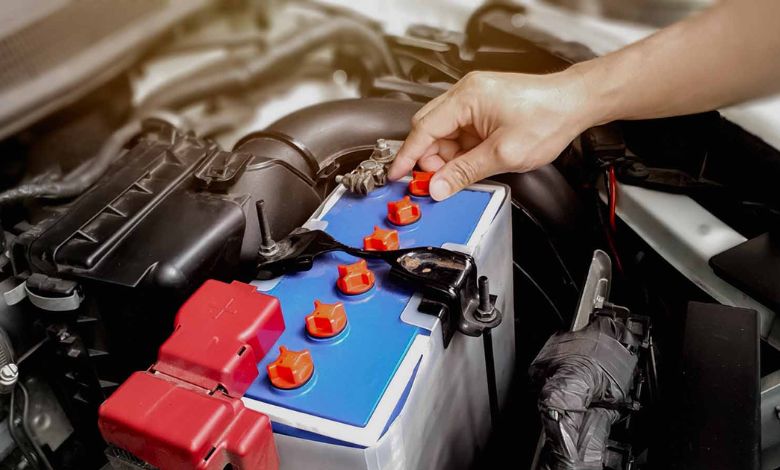
A car that will not start can make even a simple morning stressful, especially for drivers who are not familiar with basic electrical troubleshooting. The good news is that several common battery problems can be checked at home before calling for roadside assistance or scheduling a repair.
The battery is responsible for supplying the power needed to start the engine and support electrical systems when the engine is not providing enough power on its own. If the battery becomes weak, discharged, or poorly connected, the vehicle may crank slowly, make clicking noises, or fail to start completely.
Drivers who discover that the battery is no longer dependable may eventually need to search for an auto battery near me, but replacement should not always be the first step. A loose terminal, corrosion, an accidentally drained battery, or a charging-system problem can produce similar symptoms.
Learning a few simple checks can help beginners understand what may be happening before they start replacing parts. Paying attention to starting behavior, battery connections, voltage, and electrical warning signs can provide useful information and help determine when professional testing is the better next step.
Simple Battery Checks Before Calling for Help
Start by paying attention to what happens when you try to start the vehicle. The sounds and behavior of the car can provide important clues.
If the engine cranks slowly, the battery may not have enough available power to turn the starter at normal speed. This is especially noticeable when the vehicle normally starts quickly but suddenly sounds sluggish.
Repeated clicking is another common symptom. A rapid clicking sound may happen when there is enough electrical power to activate part of the starting system but not enough to turn the engine over properly.
If nothing happens at all when the key is turned or the start button is pressed, the problem could involve the battery, terminals, starter, ignition system, or another electrical component.
Headlights and interior lights can provide additional clues. If the lights appear very dim before the engine starts, the battery may be discharged. If they remain bright but the engine will not crank, another starting-system component may be involved.
The next step is a visual inspection. With the vehicle turned off, look at the battery and its connections if they are easily accessible.
Battery terminals should be secure and free from heavy corrosion. White, blue, or greenish buildup around the connections may interfere with the flow of electricity. Even a battery with a usable charge can have starting problems if the connection between the battery and vehicle is poor.
Loose terminals can create similar symptoms. If a connection moves easily by hand, it may not be making reliable contact. Drivers should follow the vehicle manufacturer’s instructions before tightening, cleaning, or disconnecting battery terminals.
Battery safety is important. Automotive batteries contain corrosive materials and may produce gases, so eye protection, gloves, and proper procedures should be used when working around them.
The age of the battery can also provide useful context. Batteries gradually lose their ability to store and deliver power. Heat, cold, driving habits, electrical accessories, and long periods of inactivity can all affect how quickly a battery deteriorates.
A battery that has recently needed multiple jump starts deserves additional attention. One accidental discharge caused by leaving a light on is different from a battery that repeatedly loses power overnight.
Drivers can also use a multimeter tester to perform basic voltage checks. A multimeter can help determine whether a battery appears discharged and can also provide information about the charging system when used correctly.
Beginners should read the meter’s instructions before connecting it. Selecting the wrong setting or connecting the leads incorrectly can produce misleading readings or damage equipment.
Battery voltage can provide useful information, but it does not tell the entire story. A battery may show an acceptable resting voltage and still fail when placed under the heavier load required to start the engine.
That is why professional load testing may still be necessary if the battery continues causing problems.
Drivers should also consider the alternator. Once the engine is running, the alternator helps recharge the battery and supply electricity to the vehicle. If the alternator is failing, a good battery can gradually become discharged.
A battery warning light on the dashboard while the engine is running may point toward a charging-system problem rather than simply a worn battery.
Another clue is how long the vehicle has been sitting. Cars that are not driven regularly can gradually lose battery charge, especially if electronics continue drawing small amounts of power while the vehicle is parked.
Frequent short trips can create similar issues because the vehicle may use significant power during startup without running long enough to fully replace that energy.
Finding Replacement Power When Your Battery Gives Out
If the battery is discharged but otherwise usable, a jump start may get the engine running again. Keeping jumper cables for car use in the trunk can provide a useful backup option when another compatible vehicle is available.
Before attempting a jump start, drivers should review the procedure in the owner’s manual. Modern vehicles may have specific jump points, battery locations, or connection procedures that differ from older cars.
The basic goal is to safely provide temporary electrical power from another source, but incorrect connections can damage electrical components or create a safety hazard.
Drivers should inspect jumper cables before using them. Cracked insulation, damaged clamps, exposed wiring, or severe corrosion can make the cables unreliable or unsafe.
Portable jump starters are another option. These devices contain their own battery and can help start a vehicle without requiring another car. They need to be charged periodically, so storing one for years without checking it may result in an unpleasant surprise when it is finally needed.
If the vehicle starts after a jump, that does not automatically mean the problem is solved. The battery may have been discharged by something simple, or there may be a deeper issue with the battery, alternator, wiring, or electrical system.
Pay attention to how the vehicle behaves after the jump. If the engine starts normally the next several times, the discharge may have been caused by something like a light being left on. If the battery quickly loses power again, testing should be performed.
Drivers should also avoid repeatedly jump-starting a vehicle without investigating why the battery keeps going dead. Frequent discharges can shorten battery life and may leave the driver stranded unexpectedly.
If testing confirms that replacement is needed, battery compatibility becomes important. Batteries vary by physical size, terminal placement, cold-cranking performance, reserve capacity, and technology.
The replacement should match the requirements of the vehicle rather than simply fitting into the battery tray. The owner’s manual, existing battery information, or a parts lookup can help identify compatible options.
Vehicles equipped with start-stop systems or certain advanced electrical systems may require specific battery technologies. Installing the wrong type can affect battery life or system performance.
Drivers should also inspect the battery cables before installing a replacement. A new battery may not solve the problem if damaged cables or poor terminal connections are still preventing proper electrical flow.
After replacement, some vehicles may require additional procedures such as resetting systems, relearning settings, or registering the battery with the vehicle’s computer. Manufacturer-specific instructions should be followed when applicable.
Proper disposal matters too. Automotive batteries contain materials that should be recycled rather than placed in normal household trash. Battery retailers and automotive service locations commonly offer recycling options.
A basic roadside kit can help prepare drivers for future battery problems. Jumper cables, a portable jump starter, flashlight, gloves, phone charger, and basic tools can all be useful if the vehicle will not start away from home.
It is also worth knowing where the battery is located before an emergency happens. Some vehicles place it under the hood, while others locate it in the trunk, under a seat, or behind an access panel.
Learning that information at home is much easier than trying to find the battery late at night in an unfamiliar parking lot.
Battery problems can feel complicated, but beginners can learn a surprising amount from a few simple checks. Starting sounds, dashboard lights, terminal condition, battery age, and voltage readings can all help narrow down the possibilities.
The most important thing is to avoid automatically assuming the battery itself is always responsible. Starting and charging problems can involve the battery, alternator, starter, wiring, connections, or electrical accessories.
By checking the basics first and seeking professional testing when the cause is unclear, drivers can make better decisions about whether the battery needs charging, replacement, or further diagnosis. Those simple habits can make unexpected no-start situations easier to manage and help prevent a small electrical problem from becoming a bigger roadside headache.

