
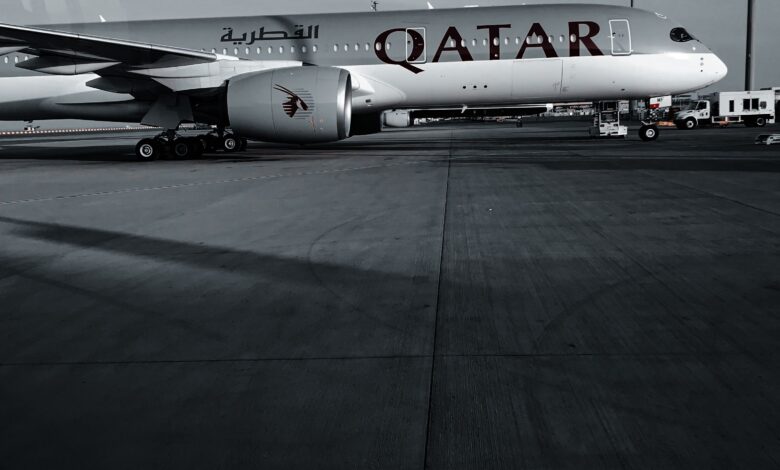
When you step into an airport today, you might not realize how much technology is reshaping what happens on the tarmac and in the hangars. The coordination required to move aircraft safely and efficiently on the ground involves countless moving parts, from baggage handling to maintenance scheduling to fueling operations. Traditional manual processes have long created bottlenecks that delay flights and increase operational costs for airlines and ground service providers. Modern innovations are transforming how these critical functions work, enabling faster turnarounds and safer environments for workers and equipment. Understanding these technological advances provides insight into why modern aviation operates with remarkable precision and reliability.
1. Automated Ground Support Equipment Management
You will find that automated systems are now tracking and managing ground support equipment with unprecedented accuracy. Real-time monitoring allows airports to know exactly where every tug, catering truck, and baggage loader is located at any given moment. This visibility eliminates the confusion that once resulted from manual tracking, where equipment could be lost or duplicated in inventory records. By automating the dispatch of equipment to aircraft, airports reduce the time planes spend on the ground waiting for services. Predictive maintenance systems also alert technicians before equipment fails, preventing delays caused by unexpected breakdowns during peak operating hours. Sensors embedded in equipment transmit continuous performance data, giving operations managers a detailed picture of fleet health across an entire airport.
2. Digital Workforce Coordination and Communication
You benefit from digital platforms that connect ground crews, pilots, mechanics, and management in real-time information networks. Mobile applications allow workers to receive assignments, report task completion, and communicate urgent issues instantly rather than relying on radio systems or printed documents. This seamless communication reduces misunderstandings that previously led to safety concerns or rework that extended aircraft turnaround times. Supervisors can monitor progress on dozens of simultaneous tasks and redirect resources where bottlenecks occur. The digital trail created by these systems also provides valuable data for analyzing operations and identifying areas for further improvement. Standardized digital reporting further reduces human error by replacing informal verbal handoffs with documented, timestamped records.
3. Predictive Analytics and Maintenance Scheduling
You can see how data analytics is fundamentally changing how airports plan maintenance and repairs on aircraft and ground infrastructure. Instead of following fixed maintenance schedules regardless of actual equipment condition, technicians now analyze sensor data to determine exactly when components will need service. This predictive approach prevents unexpected failures that cause operational disruptions while also extending the life of equipment by avoiding unnecessary maintenance. Machine learning algorithms identify patterns in equipment behavior that human inspectors might miss, catching potential problems before they become serious. By scheduling maintenance during planned downtime rather than during peak hours, airports maximize continuous operations and flight availability. The result is a more cost-effective maintenance model that prioritizes actual need over routine calendar intervals.
4. Autonomous Vehicle Systems and Robotics
You will observe increasing automation in tasks that previously required human operators in potentially hazardous ground environments. Ground crews responsible for repositioning aircraft between gates and service areas rely on airplane tugs to move aircraft safely and efficiently, and modern electric and remote-controlled models represent a significant technological advancement over earlier generations of this equipment. Robotic systems handle cargo loading and unloading with precision and consistency that reduces damage to goods and aircraft. Automated guided vehicles transport materials and supplies across large airport grounds without human intervention, freeing workers for higher-skilled tasks. These systems operate continuously without fatigue, maintaining consistent performance throughout day and night operations. According to the Federal Aviation Administration, ongoing investment in ground support technology remains a priority for improving overall airport safety and efficiency, and autonomous vehicle development is a central part of that effort.
5. Integrated Ground Operations Planning Systems
You will recognize how centralized software platforms bring together information from multiple departments into a single operational view. These integrated systems coordinate gate assignments, baggage handling sequences, fueling schedules, and catering deliveries to ensure aircraft are ready for departure on time. The systems factor in aircraft type, passenger count, maintenance requirements, and crew availability to optimize every decision. Weather changes, mechanical delays, or staffing issues automatically trigger adjustments across all connected operations. By eliminating siloed information and disconnected decision-making processes, integrated platforms significantly reduce the coordination delays that once characterized airport operations. The transparency these platforms provide also supports accountability, as managers can trace the source of any disruption and apply corrective measures more precisely.
Conclusion
You now understand how technology fundamentally supports modern aircraft operations on the ground, where countless coordinated tasks determine whether flights depart on schedule. Automation, digital communication, predictive analytics, and integrated planning systems work together to create operational environments that are safer, faster, and more efficient than those of previous decades. These technological advances benefit everyone involved in aviation, from airport operators seeking to reduce costs to passengers who arrive at their destinations when promised. The sophistication of ground operations technology often remains invisible to travelers, yet it represents one of aviation’s most significant operational improvements. As airports continue adopting emerging technologies and refining existing systems, aircraft ground operations will become even more streamlined and reliable.