Turbines serve as the critical engine for modern industrial processes and power generation facilities. Whether managing wind, steam, or gas turbines, their consistent efficiency is paramount to operational success and sustainable energy production. However, these complex machines operate in demanding environments and require a proactive, disciplined approach to maintenance to prevent costly repairs and unplanned outages. By implementing strategic upkeep, operators can maximize energy output and significantly extend the lifespan of their equipment.
Establish a Rigorous Preventive Maintenance Plan
A robust preventive maintenance schedule is the foundation of turbine reliability. Rather than adopting a reactive stance—waiting for a component to fail before intervening—scheduled inspections allow technicians to identify minor wear and tear before it escalates into a catastrophic failure.
Routine service should include:
- Visual Inspections: Regularly checking for signs of corrosion, leaks, or abnormal vibrations.
- Component Checks: Examining bearings, seals, and gearboxes for fatigue.
- Fluid Management: Monitoring and replacing filters and fluids to prevent contamination and overheating.
Leverage Advanced Monitoring and Digital Tools
Modern turbines benefit greatly from technological integration. Utilizing Condition Monitoring Systems (CMS) allows operators to track rotor speed, temperature, and vibration in real-time. This data-driven approach enables predictive maintenance, where machine learning algorithms forecast potential issues based on performance anomalies. Furthermore, smart controllers can adjust blade pitch and generator load automatically to optimize performance under varying conditions.
Critical Blade and Rotor Care
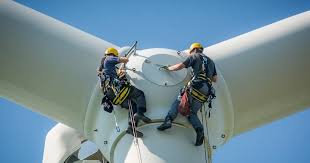
The rotors and blades are the heart of any turbine, enduring immense mechanical stress and environmental exposure. In wind turbines, blades are susceptible to erosion from debris and insects, which can drastically reduce aerodynamic efficiency. Regular cleaning is not merely a cosmetic task; it is a strategic investment that restores the original design conditions and prevents performance fluctuations.
For high-precision repairs, some operators consult specialized laser hardfacing companies to apply durable coatings that protect critical rotating components from premature wear and erosion. Additionally, regular alignment checks are necessary to minimize vibration and prevent bearing stress.
Prioritize Lubrication and Cooling Systems
Proper lubrication is vital for keeping moving parts operational and reducing friction-induced heat. Technicians should conduct regular oil analysis to detect wear particles or changes in viscosity that signal internal mechanical issues.
Equally important is the cooling and ventilation system. Overheating is a primary cause of component failure. Routine maintenance must include:
- Cleaning Cooling Ducts: Ensuring airflow is not blocked by dust or mineral deposits.
- Coolant Quality: Monitoring coolant levels and chemical integrity to prevent corrosion within the thermal transfer system.
Electrical System Management
Reliable power generation depends on the integrity of the electrical and control systems. Regular troubleshooting of cables, transformers, and inverters is essential to prevent energy losses. Diagnostic tools should be used to check resistance and continuity, ensuring that the power output remains consistent and safe.
Invest in Training and Safety
The human element is as crucial as the machinery itself. A well-trained team of technicians can quickly identify the early signs of wear and perform efficient emergency shutdown procedures if malfunctions occur. Ongoing training should cover the latest safety protocols and diagnostic technologies to minimize operational disruptions. Adhering to strict safety standards, such as lockout/tagout procedures, protects personnel and maintains the integrity of the facility.
Long-Term Optimization and Upgrades
As technology evolves, retrofitting older turbines with modern components can be a cost-effective way to boost efficiency. Upgrading control software or replacing worn seals with high-quality, durable materials like polyimide can enhance resilience against environmental stressors. Strategic upgrades allow facilities to reach their full potential without the immediate need for entirely new installations.
Conclusion
Maximizing turbine performance requires a comprehensive strategy involving routine inspections, advanced monitoring, and expert component care. By prioritizing proactive maintenance and investing in quality parts and personnel training, operators can ensure that their turbines provide a steady, clean power source for years to come. Maintaining these complex systems is an ongoing commitment that rewards operators with lower long-term costs and consistent energy reliability.