Modern dental care focuses primarily on saving natural tooth structures whenever possible. Advanced restorative techniques, including root canal therapies, custom crowns, and periodontal treatments, allow clinicians to repair and protect severely damaged teeth. However, situations still arise where removing a tooth is the healthiest and most practical choice for long-term oral well-being.
Leaving a severely damaged or unsavable tooth in place can trigger cascading health issues. Chronic infections can spread past the root tip into surrounding jawbone tissue, causing painful abscesses, bone deterioration, and systemic inflammation. Carefully removing the damaged tooth clears out dangerous bacterial colonies, relieves ongoing pain, and prepares the mouth for functional restorative replacements like dental implants or fixed bridges.
Comparing Simple and Surgical Extractions
Dental extractions fall into two main categories: simple procedures and surgical treatments. The right approach depends on the tooth’s position, root anatomy, and structural condition.
The Mechanics of Simple Extractions
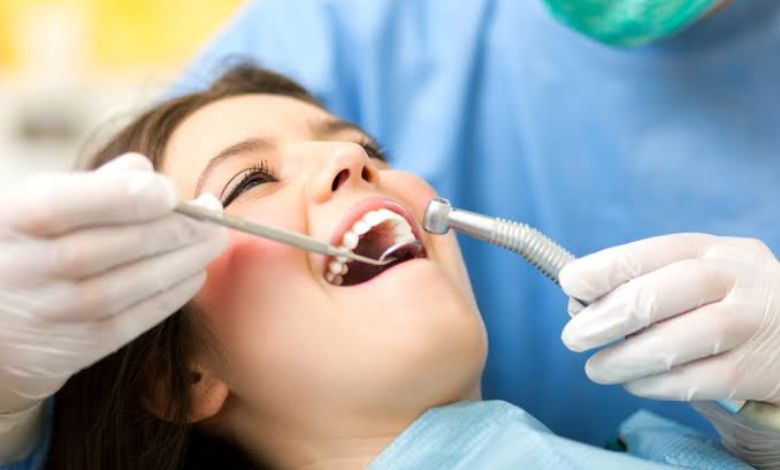
A simple extraction involves removing a tooth that is fully visible in the mouth and accessible above the gumline. These procedures are typically carried out under standard local anesthesia. Once the treatment site is completely numb, the clinician uses a specialized instrument called an elevator to gently loosen the tooth within its socket.
The dental socket is lined with the periodontal ligament, a network of flexible collagen fibers that anchors the root to the surrounding jawbone. By applying steady, controlled pressure to the tooth, the practitioner gently expands the elastic bony socket and frees the ligament fibers. Once loosened, the tooth is lifted out smoothly using clinical forceps, without needing surgical incisions or bone modification.
When Surgical Extraction Is Required
Surgical extractions are necessary when a tooth cannot be easily reached or removed through simple elevation. This occurs when teeth break off cleanly at the gumline, have curved or brittle roots, or remain trapped beneath the bone, as commonly seen with impacted wisdom teeth. Patients needing planned or emergency tooth extractions in Portland benefit from precise surgical techniques designed to protect the surrounding bone.
During a surgical procedure, the dentist makes a small, neat incision in the gum tissue to view the underlying root and bone. If surrounding bone covers the tooth, specialized micro-instruments remove a small window of bone to clear a path for removal. The dentist often sections the tooth into smaller pieces, allowing each segment to come out gently without placing extra stress on the jawbone. Once finished, the site is carefully cleaned, and small dissolvable sutures close the tissue to support clean healing.
Step-by-Step Recovery and Healing Stages
Healing after a tooth extraction follows a clear biological progression. Knowing what to expect during recovery helps patients protect the extraction site and avoid unnecessary complications.
The First 24 Hours: Protecting the Blood Clot
The most critical part of early recovery is forming a sturdy blood clot inside the empty socket. This clot serves as a natural protective shield over the exposed bone and sensitive nerve endings, while providing a framework for new tissue growth.
Right after the procedure, patients bite down firmly on sterile cotton gauze for thirty to forty-five minutes to encourage clotting. During this first full day, patients must avoid anything that creates suction in the mouth. Drinking through a straw, smoking, spitting forcefully, or vigorous rinsing can easily dislodge the delicate clot, causing a painful condition known as dry socket.
Days Two Through Seven: Soft Tissue Repair
Over the next few days, the body begins building early granulation tissue within the socket. Mild swelling and muscle tightness are normal and typically peak around forty-eight hours before gradually improving. Applying cold ice packs to the outside of the cheek in fifteen-minute intervals helps keep swelling down during this early window.
Patients should stick to a diet of cool, soft foods that do not require intense chewing, such as smooth yogurt, pureed soups, scrambled eggs, and ripe avocados. Beginning twenty-four hours after treatment, patients should gently rinse with warm salt water after meals. This salt water rinse cleans the socket, washes away loose food debris, and keeps tissues healthy without disturbing the healing site.
Preventing Complications and Long-Term Options
Complications following an extraction are rare when patients carefully follow post-operative instructions. Aside from avoiding suction and smoking, patients should avoid heavy cardiovascular exercise for the first three days, as increased blood pressure can trigger renewed bleeding at the site.
If severe throbbing pain develops three to four days after the extraction, it may indicate a dry socket. Patients should reach out to their dental clinic right away if this happens. Clinicians can place a soothing, medicated dressing inside the socket to relieve pain quickly and support normal healing. Once recovery is complete, discussing tooth replacement options like dental implants or bridges ensures proper bite alignment and preserves natural chewing function for the future.