
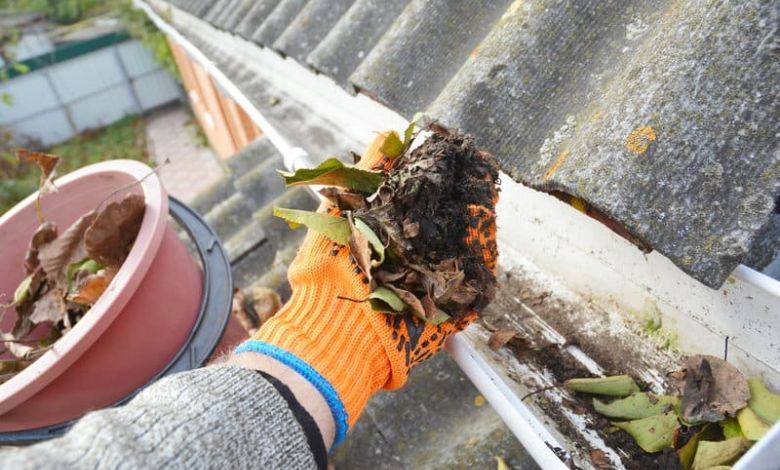
Gutters are an important part of your home’s drainage system. They collect rainwater and melting snow from your roof and direct it away from your foundation. However, when gutters become filled with leaves, dirt, and other debris, they cannot do their job properly. Heavy rain and snow can make these problems worse. Blocked gutters may overflow, freeze, or place extra weight on the roofline. Over time, these issues can lead to expensive repairs and unwanted water damage. For homeowners looking for a rain gutter cleaning in Salt Lake City, regular maintenance is especially important because of seasonal weather changes. Utah experiences rain, snowfall, and freezing temperatures throughout different parts of the year. Cleaning your gutters before severe weather arrives can help protect your home and keep your drainage system working efficiently.
1. Prevents Water Overflow During Heavy Rain
One of the biggest reasons to clean your gutters before heavy rain is to prevent water from overflowing. When leaves, twigs, and dirt collect inside gutters, they can block the normal flow of water. Instead of moving toward the downspouts, rainwater may spill over the sides. This overflowing water can run down exterior walls, damage landscaping, and collect near your home’s foundation. Repeated exposure to moisture may also cause paint to peel, wood to deteriorate, and soil around the house to erode. Keeping your gutters clear allows rainwater to flow through the drainage system as intended. Regular cleaning helps reduce the risk of overflow and keeps excess water away from areas that need protection.
2. Reduces the Risk of Ice Buildup
Winter weather creates additional challenges for gutter systems. When temperatures drop below freezing, water trapped inside clogged gutters can turn into ice. As more water collects and freezes, the added weight can place stress on gutter sections and their supports. This may cause gutters to sag, loosen, or pull away from the house. Cleaning your gutters before winter helps remove debris that traps water and interferes with drainage. However, gutter cleaning alone cannot prevent ice dams. These often form when heat escaping through the roof causes snow to melt and refreeze near colder roof edges. Proper attic insulation, air sealing, and ventilation are also important for reducing ice dam risks. Clean gutters can help limit ice buildup caused by blocked drainage, making winter maintenance more manageable.
3. Protects Your Home’s Foundation
Your home’s foundation needs protection from excess moisture. Gutters help manage this by directing water toward downspouts that carry it away from the house. When gutters become blocked, water can overflow and collect around the foundation. Over time, excessive moisture may contribute to soil erosion, basement dampness, or water entering through existing cracks. Heavy rainfall and melting snow can make these problems more noticeable because they increase the amount of water moving off the roof. Cleaning your gutters ensures that debris does not prevent water from reaching the downspouts. It is also important to check that downspout outlets direct water a safe distance from your home. A properly maintained drainage system helps reduce unnecessary moisture around the foundation.
4. Prevents Damage to Gutters and Roof Edges
Debris buildup does more than block water. It also adds weight to the gutter system. Wet leaves, dirt, and standing water can become heavy, especially during storms. When snow or ice is added, the additional load can place pressure on gutter hangers and attachment points. Over time, this may cause sagging sections, loose fasteners, or damage to the fascia boards that support the gutters. Standing water can also contribute to corrosion in certain gutter materials. Removing debris before severe weather helps reduce unnecessary weight and allows you to identify damaged sections early. Inspecting gutters during cleaning can reveal loose connections, cracks, or areas that need attention. Maintaining the system helps protect both the gutters and the surrounding roofline.
5. Keeps Downspouts Working Properly
Cleaning the gutters is only part of maintaining your home’s drainage system. Downspouts are responsible for carrying water from the gutters toward the ground and away from the house. If a downspout becomes clogged, water may back up into the gutters even when the upper sections appear clean. Leaves, roof debris, and small branches can become trapped inside downspout openings or bends. This is why downspout cleaning should be included in routine maintenance. Homeowners should check for visible blockages and confirm that water can move through the system. A professional can help inspect downspouts that are difficult to access or clear. Keeping these drainage channels open is especially important before storms and periods of snowmelt.
6. Helps Prevent Mold and Moisture Problems
When gutters overflow, water may repeatedly run down the exterior walls of your home. This creates damp conditions that can contribute to mold or mildew growth on suitable surfaces. Moisture can also enter through gaps, damaged siding, or poorly sealed areas. Over time, these problems may affect exterior finishes and surrounding building materials. Regular gutter maintenance helps reduce the amount of water reaching areas where it does not belong. Homeowners should also watch for signs of moisture problems, including stains, peeling paint, unusual odors, or damp areas near windows and walls. Addressing drainage issues early can help prevent more extensive moisture-related repairs.
7. Makes Seasonal Home Maintenance Easier
Waiting until gutters are completely blocked often makes cleaning more difficult. Wet leaves, compacted dirt, and frozen debris can require more time and effort to remove. Cleaning before the rainy or snowy season allows homeowners to address buildup while conditions are safer and more manageable. It also provides an opportunity to inspect the gutter system for damage before harsh weather arrives. For homes surrounded by trees, additional cleaning may be necessary during periods of heavy leaf fall. Scheduling seasonal inspections helps homeowners stay ahead of common gutter problems. A consistent maintenance routine is usually easier to manage than dealing with unexpected drainage issues during a storm.
8. Reduces the Risk of Costly Home Repairs
Ignoring gutter maintenance may lead to problems that cost significantly more than routine cleaning. Blocked gutters can contribute to damaged fascia boards, loose gutter sections, eroded landscaping, and moisture problems around the home. These issues may develop gradually, making them easy to overlook until visible damage appears. Heavy rain and snow can expose existing weaknesses and make minor problems worse. Routine cleaning helps homeowners spot early warning signs, such as rust, cracks, leaks, and poor gutter alignment. Taking care of these issues before severe weather arrives can reduce the likelihood of larger repairs. Preventive maintenance is a practical way to protect your home and avoid unnecessary expenses.
When Should You Clean Your Gutters?
The best cleaning schedule depends on the number of nearby trees, the amount of debris on your roof, and local weather conditions. For many homes, inspecting and cleaning gutters in spring and fall is a useful starting point. Fall cleaning is particularly important because leaves and debris can collect before winter snowfall. Spring inspections help identify any damage or buildup left behind after freezing temperatures and snowmelt. Homeowners should also check their gutters after strong storms, especially when branches and debris may have fallen onto the roof. Properties surrounded by trees may require more frequent attention. The goal is to keep water flowing freely before weather conditions place additional demands on the system.
Should You Clean Your Gutters Yourself?
Some homeowners choose to handle basic gutter cleaning, but safety should always come first. Working on ladders can be dangerous, particularly when the ground is wet, uneven, or icy. Never attempt gutter cleaning during strong winds, heavy rainfall, or freezing conditions. Avoid leaning too far from a ladder or climbing onto a steep roof to reach difficult areas. For multi-story homes, hard-to-reach gutters, or systems with significant damage, professional assistance may be the safer choice. A thorough cleaning should include removing debris, checking drainage, and identifying visible signs of damage. Proper cleaning methods can help maintain the system without creating additional risks.
Conclusion
Gutter cleaning is an important part of preparing your home for heavy rain and snow. Removing leaves, dirt, and other debris helps water drain properly and reduces the risk of overflow, ice buildup, and damage to your home’s exterior. Regular inspections also make it easier to identify loose gutters, blocked downspouts, and other problems before they become expensive repairs. Whether you handle basic maintenance yourself or hire a professional, keeping your gutters clean should be part of your seasonal home care routine. A little attention before severe weather arrives can help protect your home and keep its drainage system working throughout the year.