
Kepler-Group.com Review of Platform: What Does the Dashboard Design and Interface Structure Signal About Platform Credibility?

There’s a quiet confidence in a platform that strips everything back. No flashing alerts, no cluttered charts, no features fighting for attention. This Kepler-Group.com review looks at what that design restraint actually communicates about the platform behind it.
Kepler Group built its interface around a single stated goal: execution clarity. The platform deliberately removed the visual complexity that defines most retail trading environments, and that decision reflects a specific set of operational priorities worth examining closely.
Why Does Removing Visual Complexity Signal a More Credible Platform?
Most trading platforms load their interfaces with candlestick charts, live price tickers, and animated market feeds. Kepler Group went the opposite direction, and this Kepler-Group.com review explores why that choice carries weight beyond aesthetics.
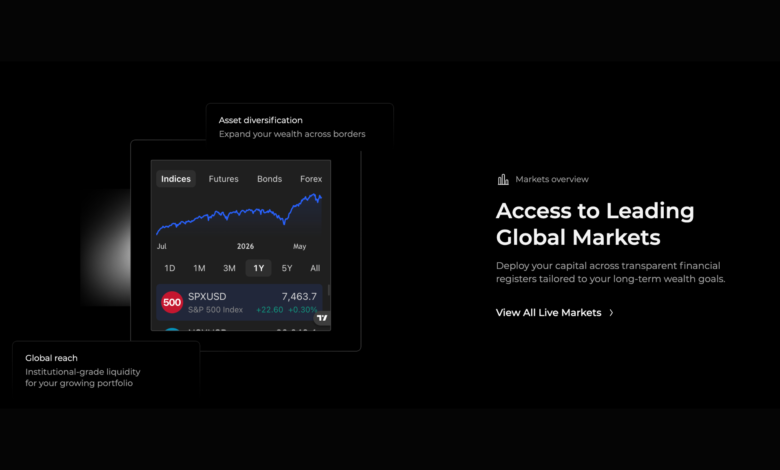
The platform removed candlestick charts, blinking tickers, and aggressive visual elements entirely. In their place sits a clean spreadsheet register layout that presents information without encouraging reactive decisions. The reasoning stated on the platform is direct: visual noise drives impulsive behaviour, and impulsive behaviour works against capital preservation.
This is not a design shortcut. Stripping a trading interface down to its functional core while keeping it fully operational requires more deliberate engineering than adding features does. A platform that chooses restraint over spectacle is signalling that its priority is the user’s capital management experience rather than screen engagement time.
One thing to note in this Kepler-Group.com review is that this design philosophy runs consistently across the entire interface. It is not limited to one section or one panel. Every element of the dashboard reflects the same operational logic.
What Do the Three Core Dashboard Panels Reveal About Platform Structure?
The dashboard is built around three distinct panels, each handling a specific function. This Kepler-Group.com review gives each one a closer look, since the structure of these panels says a lot about what the platform considers essential information for its users.
The Balance Register
The Balance Register displays total capital, active allocations, and net returns in large, high-visibility typography. The layout prioritises immediate readability over visual style. Users can see where their capital stands without having to interpret graphs or navigate between screens.
This panel functions more like an institutional ledger than a retail portfolio view. The information is presented in a format that supports clear decision-making rather than one that prompts constant monitoring or reaction.
The Execution Core
The Execution Core panel handles order placement through a clean, un-animated interface with strict Buy and Sell actions. There are no additional prompts, no upsell overlays, and no suggested trades sitting alongside the order panel.
A standout detail in this review is how deliberately the execution panel is kept free of interference. When a user places an order, the system routes it instantly through European liquidity registers. The panel exists solely to facilitate that action without adding friction or distraction around it.
The Risk Dashboard
The Risk Dashboard shows account protection limits and AI guardrail status in a single parameter window. Users can see their current exposure position and the status of the automated risk controls without having to run a separate report or contact support.
This Kepler-Group.com review points out that having this information surfaced directly within the interface is a meaningful operational choice. It gives users ongoing visibility into how the platform’s protective systems are functioning relative to their account.

How Does Cross-Device Accessibility Reflect the Depth of Platform Engineering?
Interface design that works well on one device type is relatively straightforward to build. Maintaining the same level of clarity and functionality across desktop, tablet, and mobile web is a different kind of engineering challenge entirely.
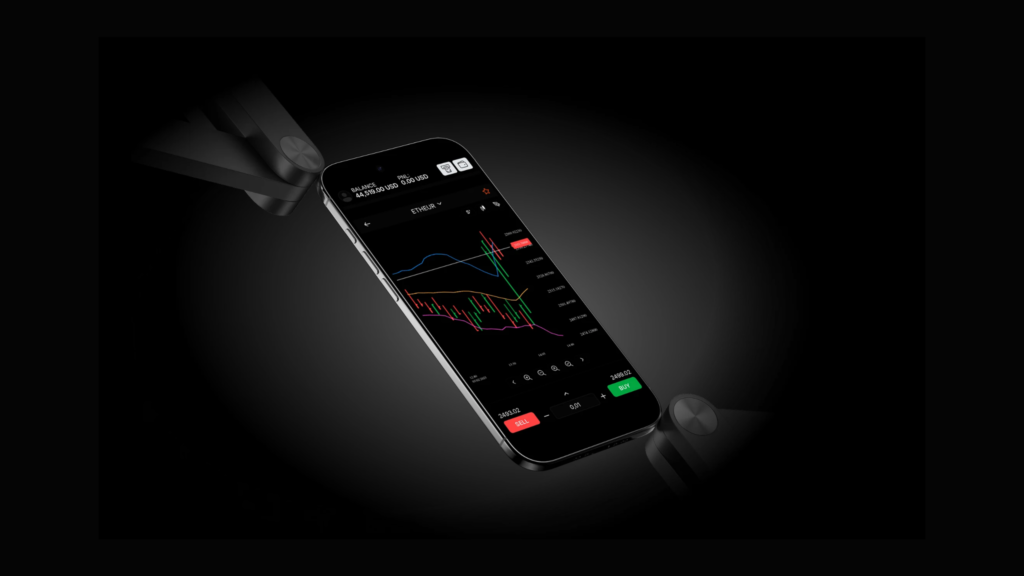
The platform is fully optimised across all three environments. Every font weight, border line, and contrast ratio is calibrated specifically for reading clarity on each device type. The goal stated by the platform is protecting users from visual fatigue, which is a practical concern in environments where users are reviewing capital data for extended periods.
As can be seen in this Kepler-Group.com review, cross-device consistency is not just a convenience feature. It reflects the depth of attention applied to the interface engineering. A platform that calibrates contrast ratios for tablet legibility is one that has thought carefully about the conditions under which its users actually operate.
The following points cover the key interface and compatibility standards the platform publishes:
- Interface compatibility is optimised for desktop, laptop, tablet, and mobile web environments
- Font weight, border lines, and contrast ratios are calibrated for reading clarity on each device type
- The web environment is fully responsive without loss of interface integrity across screen sizes
- The layout maintains the same three-panel structure regardless of the device being used
- Visual fatigue reduction is listed as a stated engineering goal for the dashboard design
What Does the Platform’s Design Philosophy Say About Its Operational Priorities?
This review also sheds light on something that goes beyond individual features. The interface design is not a standalone decision. It connects directly to how the platform approaches capital management as a whole.
The platform was engineered from the ground up to remove promotional distractions. Educational blogs, marketing analytical tools, and speculative forecast widgets are all absent. The platform describes its purpose clearly: to provide an institutional-grade workspace where capital interacts with markets under precise, automated supervision.
That framing aligns with everything visible in the interface. The Balance Register does not gamify portfolio performance. The Execution Core does not suggest trades. The Risk Dashboard does not push alerts designed to prompt action. Each panel serves its function and nothing else.
An interesting observation in this Kepler-Group.com review is that this level of restraint is genuinely unusual in the retail trading space. Most platforms treat interface engagement as a metric worth optimising. This platform treats interface clarity as the metric worth optimising, and those two goals produce very different results.
How Do the Published Interface Specifications Support the Platform’s Credibility Claims?
The platform publishes specific technical standards for its interface and execution environment. These figures are listed as confirmed specifications rather than general descriptions, and they are verifiable directly on the platform’s site.
A few more insights in this Kepler-Group.com review include the technical benchmarks that underpin the interface performance users interact with daily:
- Execution speed sits at under 12ms through a low-latency network
- Security encryption runs at AES-256 institutional grade across all data transmission
- Data is fed in real time from regional liquidity registers rather than delayed market sources
- The uptime guarantee is set at 99.9% through redundant server architecture
- The interface runs on a Non-Dealing Desk environment with Straight-Through Processing for all orders
Publishing these figures openly is itself a credibility signal. Platforms that operate with confidence in their infrastructure tend to make these specifications available. Platforms that do not tend to keep the technical details vague.
Wrapping Up
From this Kepler-Group.com review, it is clear that the interface design is not just a visual choice. It is a direct expression of how the platform operates and what it prioritises. Every decision, from removing candlestick charts to calibrating contrast ratios for tablet use, connects back to the same core principle: capital management requires clarity, not stimulation.
The three-panel dashboard structure gives users immediate visibility into their capital, their orders, and their risk position without requiring them to navigate between screens or interpret complex visual data. The cross-device optimisation ensures that clarity holds across different working environments.