
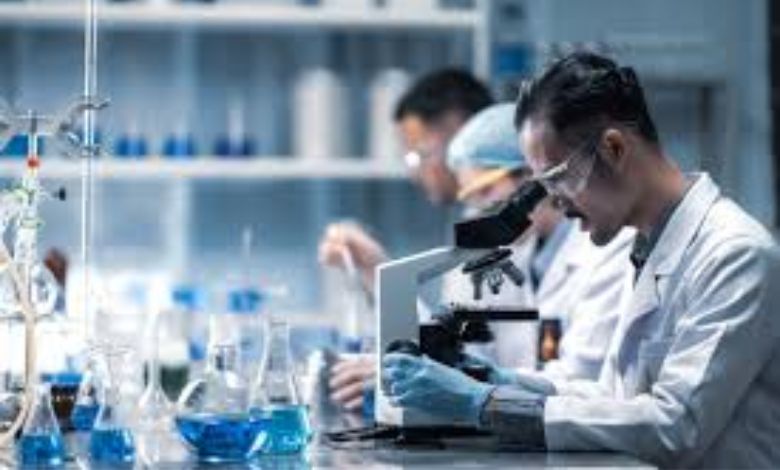
Biomedical research depends on the quality and integrity of biological samples. Whether studying cells, tissues, blood, or other specimens, researchers rely on properly handled samples to produce accurate and reproducible results. Every stage of the process—from collection and storage to transportation and analysis—can influence research outcomes. Establishing proper sample handling practices helps laboratories maintain data quality, improve efficiency, and support meaningful scientific discoveries.
Preserving Sample Integrity From Collection to Analysis
Sample integrity is the foundation of credible biomedical research. Biological specimens begin changing the moment they are collected, making proper handling procedures essential for preserving their original characteristics. Without careful management, valuable samples may deteriorate, become contaminated, or experience molecular changes that compromise experimental results.
Proper collection techniques help minimize physical damage while reducing the risk of contamination. Researchers must use appropriate collection containers, sterile instruments, and standardized protocols to ensure every specimen remains suitable for analysis. Consistency across all collection procedures also supports reproducibility, allowing different researchers and laboratories to obtain comparable results.
Environmental conditions play a significant role in maintaining sample quality. Factors such as temperature, humidity, light exposure, and handling time can directly affect biological materials. Establishing clear procedures for immediate stabilization and controlled storage reduces variability and protects sensitive specimens from unnecessary degradation.
Proper documentation further strengthens sample integrity by recording collection times, storage conditions, handling history, and chain-of-custody information. Accurate records allow researchers to trace every specimen throughout the research process while supporting quality assurance and regulatory compliance.
The Role of Temperature Control in Sample Preservation
Temperature management is one of the most critical aspects of sample handling in biomedical research. Many biological materials are highly sensitive to temperature fluctuations, making consistent storage conditions essential for preserving cellular structures, proteins, nucleic acids, and other valuable components.
Different specimen types require different storage temperatures depending on their intended use. Some samples remain stable under refrigerated conditions, while others require freezing or long-term cryogenic preservation. Selecting the appropriate storage environment minimizes degradation and extends sample viability for future studies.
Transporting temperature-sensitive specimens presents additional challenges. Laboratories often depend on specialized containers, insulation systems, and monitoring devices to maintain stable conditions during transit. A properly prepared vapor shipper provides secure cryogenic transportation for highly sensitive biological materials while minimizing the risk of temperature-related damage during shipping between research facilities.
Continuous temperature monitoring adds another layer of protection. Automated systems record environmental conditions throughout storage and transport, allowing laboratories to identify unexpected deviations before they compromise valuable research materials.
Preventing Freeze-Thaw Damage
Repeated freezing and thawing can significantly affect biological samples by damaging cellular structures and degrading sensitive molecules. Laboratories reduce this risk by dividing specimens into smaller aliquots before storage, allowing researchers to retrieve only the quantity needed for each experiment.
This simple practice preserves the remaining sample while supporting consistent experimental results across multiple research projects.
Preventing Contamination Throughout the Handling Process
Contamination is one of the leading causes of unreliable research data. Even microscopic contaminants can interfere with experimental outcomes, introduce unexpected variables, or invalidate months of scientific work. Preventing contamination requires a comprehensive approach that includes proper equipment, standardized procedures, and ongoing staff training.
Researchers should always use sterile tools, clean workspaces, and appropriate personal protective equipment when handling biological materials. Controlled laboratory environments further reduce exposure to airborne particles, microorganisms, and chemical contaminants that may affect sensitive specimens.
Proper labeling practices also contribute to contamination prevention. Clearly identified containers reduce handling errors while ensuring researchers always work with the correct samples. Accurate labeling becomes especially important when laboratories process large numbers of specimens simultaneously.
Clean Workspace Management
Maintaining organized laboratory workstations improves both efficiency and contamination control. Routine cleaning schedules, equipment disinfection, and designated work areas for different laboratory activities help minimize cross-contamination between samples.
Separating specimen preparation, analysis, and storage areas further strengthens laboratory quality by reducing unnecessary sample movement throughout the facility.
Standardized Procedures Improve Research Reliability
Consistency is essential for generating reliable biomedical research data. Standardized sample handling procedures reduce variability by ensuring every researcher follows the same protocols regardless of experience level or laboratory location.
Standard operating procedures provide detailed guidance for sample collection, labeling, transportation, storage, preparation, and disposal. These documented processes improve workflow efficiency while supporting repeatable research outcomes across multiple experiments.
Regular staff training reinforces standardized practices by familiarizing researchers with updated procedures, equipment operation, and quality control requirements. Ongoing education also helps laboratories adapt to evolving regulatory expectations and technological advancements.
Quality assurance programs complement standardized procedures by monitoring compliance through routine audits, performance evaluations, and process improvements. Identifying potential weaknesses early allows laboratories to address issues before they affect research quality.
Documentation and Traceability
Comprehensive documentation creates transparency throughout the sample lifecycle. Every transfer, storage condition, preparation step, and analytical procedure should be recorded accurately.
Traceability allows researchers to investigate unexpected results, verify sample history, and demonstrate compliance with laboratory quality standards during inspections or collaborative research projects.
Technology and Best Practices for Modern Sample Management
Advancements in laboratory technology have significantly improved sample handling efficiency and reliability. Digital tracking systems, automated storage solutions, and environmental monitoring technologies reduce manual errors while improving specimen management across large research programs.
Barcode labeling systems simplify sample identification while minimizing transcription errors. Electronic inventory systems provide real-time visibility into specimen locations, storage conditions, and usage history, allowing researchers to retrieve samples quickly without unnecessary handling.
Automated environmental monitoring continuously tracks storage temperatures, humidity levels, and other critical conditions. Immediate alerts notify laboratory personnel of unexpected changes, enabling rapid corrective action before sample quality is compromised.
Routine equipment maintenance also supports effective sample management. Calibrated instruments, properly functioning storage systems, and regularly inspected monitoring devices help laboratories maintain consistent operating conditions while reducing unexpected equipment failures.
Building a Culture of Quality
Successful biomedical research extends beyond technology alone. Laboratories that prioritize quality create environments where careful sample handling becomes an everyday responsibility shared by every team member.
Leadership support, continuous improvement initiatives, and open communication encourage researchers to follow established protocols while identifying opportunities to strengthen laboratory practices. This culture of accountability contributes directly to reliable scientific outcomes and long-term research success.
Conclusion
Proper sample handling is fundamental to every stage of biomedical research, influencing the accuracy, reliability, and reproducibility of scientific findings. By implementing standardized procedures, maintaining strict temperature control, preventing contamination, and leveraging modern laboratory technologies, research facilities can protect valuable specimens and improve data quality. Consistent handling practices not only preserve sample integrity but also strengthen scientific confidence, enabling researchers to generate meaningful discoveries that advance healthcare and biomedical innovation.