
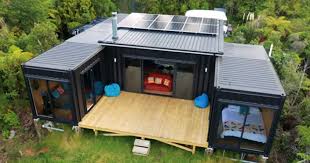
Living in a small home comes with unique challenges, but limited square footage does not have to mean constant clutter. By making thoughtful choices about storage, furniture, and daily habits, you can create a home that feels open, organized, and inviting. The right strategies help every item serve a purpose while making the most of every available inch without compromising comfort or style.
Start With a Clear Decluttering Strategy
Before investing in storage solutions, take time to evaluate everything you own. Many homes become overcrowded because belongings accumulate faster than they leave. Sorting items into categories such as keep, donate, recycle, or discard creates a clear picture of what truly deserves valuable space.
Focus on one room or even one drawer at a time rather than attempting to organize the entire home in a single day. Smaller tasks are easier to complete and maintain, reducing the likelihood of becoming overwhelmed. Once unnecessary items are removed, organizing becomes significantly easier because every remaining possession has a designated purpose.
Consistency matters just as much as the initial cleanup. Scheduling regular decluttering sessions every few months prevents clutter from gradually returning. Making this a routine habit ensures your home stays manageable throughout the year.
Create Simple Daily Habits
Even the best organization system will struggle if clutter builds up every day. Returning items to their proper places after use, clearing countertops before bedtime, and sorting incoming mail immediately are small habits that produce noticeable long-term results.
These routines require only a few minutes but prevent piles from forming and help maintain a cleaner, more relaxing living environment.
Make Every Piece of Furniture Work Harder
Furniture that performs multiple functions is one of the smartest investments for smaller homes. Instead of filling rooms with separate pieces for every need, choose furnishings designed to maximize functionality while minimizing the footprint they occupy.
For example, a queen wall bed with desk provides both a productive workspace during the day and a comfortable sleeping area at night, allowing one room to serve multiple purposes without feeling crowded.
Storage ottomans, lift-top coffee tables, benches with hidden compartments, and beds with built-in drawers also reduce the need for additional cabinets or shelving. These options keep frequently used items accessible while maintaining a clean appearance.
Think Beyond Traditional Furniture Placement
Many people position furniture against every wall without considering traffic flow. Experimenting with layouts can reveal more efficient arrangements that improve both movement and storage capacity.
Floating certain furniture pieces, creating defined activity zones, or using open shelving as subtle room dividers can make compact spaces feel larger while maintaining functionality.
Maximize Vertical Storage
Floor space is limited in small homes, but walls often remain underused. Utilizing vertical storage allows you to expand your storage capacity without sacrificing valuable walking space.
Install shelving above desks, doors, windows, and cabinets to store books, decorative items, baskets, or seasonal belongings. Tall bookcases and narrow cabinets provide generous storage while occupying minimal floor area.
Hooks and wall-mounted organizers are equally effective. Entryways benefit from coat hooks and shoe organizers, while kitchens can use hanging racks for utensils and cookware. Bathrooms gain additional storage with floating shelves positioned above toilets or beside mirrors.
Use Hidden Wall Space
The backs of doors, cabinet interiors, and unused wall corners provide opportunities for discreet storage. Over-the-door organizers work well for cleaning supplies, accessories, pantry items, or toiletries without adding visual clutter.
Corner shelving also transforms awkward spaces into practical storage while preserving the room’s openness.
Organize by Zones Instead of Rooms
Rather than thinking only in terms of individual rooms, organize your home according to activities. Creating dedicated zones for work, relaxation, hobbies, dining, and storage keeps related items together and reduces unnecessary movement throughout the home.
For example, keeping office supplies within a designated work area prevents paperwork from spreading across dining tables or living room surfaces. Similarly, placing cleaning supplies near the rooms where they are most frequently used makes household maintenance quicker and more efficient.
Storage containers, baskets, drawer dividers, and labels further improve organization by giving every category of belongings a permanent location. This reduces the temptation to leave items lying around because their proper place is always obvious.
Limit Duplicate Items
Small homes benefit from owning fewer duplicate products. Multiple sets of tools, kitchen utensils, or household supplies consume storage without providing significant value.
Review commonly duplicated items and keep only what is genuinely needed. Consolidating these belongings frees up cabinets and drawers while simplifying everyday routines.
Make Hidden Storage Part of Every Room
Many overlooked spaces can become highly effective storage areas with minimal effort. Under-bed containers keep seasonal clothing, extra bedding, or holiday decorations neatly tucked away. Furniture with concealed compartments hides blankets, games, or electronics while maintaining a clean appearance.
Kitchen cabinets can be made more efficient by adding stackable shelves, pull-out organizers, or tiered racks to increase usable space. Closets benefit from double hanging rods, hanging organizers, and shelf dividers that maximize every inch from floor to ceiling.
Even narrow gaps between furniture or appliances may accommodate slim rolling carts for pantry goods, cleaning supplies, or laundry essentials. These compact solutions help eliminate wasted space throughout the home.
Rotate Seasonal Items
Not everything needs to remain accessible year-round. Store winter clothing during warmer months and rotate seasonal decorations into storage when they are no longer needed.
Vacuum storage bags, labeled bins, and sealed containers protect belongings while minimizing the amount of everyday storage they require. Keeping only current-season items within easy reach creates a cleaner, less crowded living environment.
Maintain an Organized Home With Smart Habits
Decluttering is not a one-time project but an ongoing process. Establishing practical household routines helps preserve the progress you’ve already made.
Consider adopting a simple rule that whenever a new item enters the home, another item leaves. This approach naturally limits accumulation and encourages more thoughtful purchasing decisions.
Schedule brief weekly organization sessions to reset busy areas such as kitchen counters, entry tables, and living rooms. Addressing minor clutter early prevents it from growing into a larger task later.
Digital organization also contributes to a tidier lifestyle. Reducing paper documents, organizing electronic files, and limiting unnecessary subscriptions minimize both physical and mental clutter. An organized environment often supports greater productivity, lower stress, and easier daily routines.
Finally, involve everyone in the household. Shared organization systems are easier to maintain when each person understands where belongings belong and participates in keeping common spaces orderly.
Conclusion
Creating a clutter-free small home is less about having more storage and more about making smarter use of the space you already have. By reducing unnecessary belongings, choosing multifunctional furniture, maximizing vertical storage, and building simple daily habits, you can enjoy a home that feels larger, calmer, and easier to maintain. Small changes made consistently can deliver lasting improvements in both comfort and organization.