A patient may look in the mirror and notice a small chip, an uneven edge, or a gap between two teeth that has bothered them for years. They may want to improve it, but the idea of extensive dental work can feel unnecessary for a relatively minor cosmetic concern. This is where Composite Bonding Middlesbrough can be an option worth discussing with a dentist.
Composite bonding uses tooth-coloured resin to improve the appearance of teeth by addressing concerns such as small chips, minor gaps, uneven edges, and changes in tooth shape. The treatment is often considered by patients who want a more balanced smile while keeping the procedure relatively straightforward. Understanding how composite bonding works, who it may suit, and what to expect from treatment can help patients make a more informed decision.
What Is Composite Bonding?
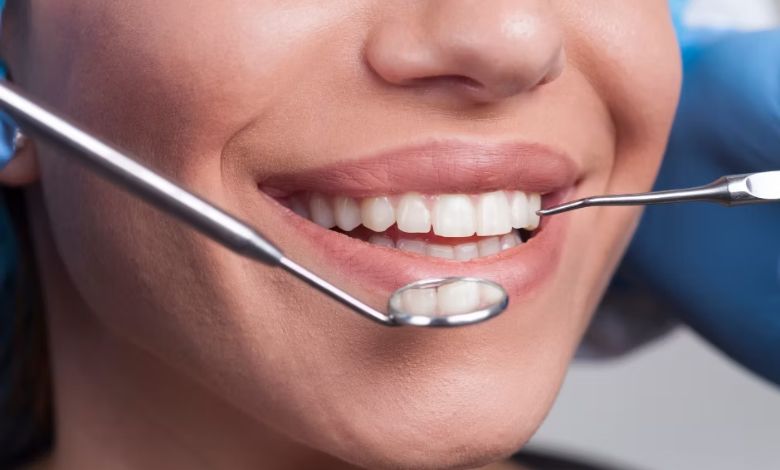
Composite bonding is a cosmetic dental treatment that involves applying a tooth-coloured resin material directly to the surface of a tooth. The resin is a special blend of plastic and glass particles designed to look and feel similar to natural tooth enamel. Once applied, the dentist carefully shapes and sculpts the material to improve the tooth’s appearance before hardening it with a special light.
Unlike some other cosmetic treatments, bonding does not usually require the removal of a significant amount of natural tooth structure. This makes it a conservative option that preserves as much of the original tooth as possible. The entire process is typically completed in a single dental visit, which is one of the main reasons patients find it so appealing.
For anyone researching Composite Bonding Middlesbrough, it is helpful to understand that this treatment is best suited for minor cosmetic concerns. It is not a replacement for more extensive restorative work, but it can make a noticeable difference for the right candidate.
Common Dental Concerns That Bonding Can Address
One of the biggest advantages of composite bonding is its versatility. A single treatment can often tackle more than one issue at a time. Some of the most common reasons patients seek out this procedure include:
- Chipped or cracked teeth: Everyday accidents, biting into hard foods, or general wear and tear can leave teeth looking uneven. Bonding can restore the natural shape of a damaged tooth by filling in the missing area with resin.
- Small gaps between teeth: Spaces between the front teeth, sometimes called diastemas, can be closed using bonding material. This creates a more uniform and balanced appearance without the need for braces.
- Discoloured teeth: Some stains do not respond well to traditional teeth whitening treatments. In these cases, bonding can mask the discolouration by covering the affected area with a shade-matched resin.
- Misshapen or uneven teeth: Teeth that appear too short, slightly crooked, or irregular in shape can be reshaped using the sculpting technique involved in bonding.
- Exposed tooth roots: When gums recede, part of the tooth root may become visible. Bonding can cover this exposed area, improving both appearance and comfort.
Patients exploring Composite Bonding Middlesbrough often discover that their specific concern falls within the range of issues this treatment can address. However, a professional assessment is always necessary to confirm suitability.
Why Patients in Middlesbrough Are Choosing This Treatment
There are several practical reasons why this particular cosmetic procedure has gained traction among local patients. Understanding these reasons can help anyone who is currently weighing up their options.
A Minimally Invasive Approach
Many people feel anxious about dental treatments that involve drilling, injections, or significant changes to their natural teeth. Composite bonding stands out because it is one of the least invasive cosmetic options available. In most cases, the dentist only needs to lightly roughen the surface of the tooth with a mild conditioning gel to help the resin stick. There is usually no need for anaesthesia, and the natural enamel remains largely intact.
This conservative approach is particularly appealing to patients who want to improve their smile without committing to irreversible changes. Because the underlying tooth structure is preserved, the treatment is generally considered reversible if the patient decides to explore other options in the future.
Quick Results in a Single Visit
Time is a valuable resource, and not everyone can commit to multiple dental appointments spread over several weeks. One of the most frequently cited benefits of Composite Bonding Middlesbrough is the speed of the treatment. In many cases, the entire procedure for a single tooth can be completed in around 30 to 60 minutes. Since the resin is applied and shaped directly by the dentist during the appointment, there is no need to wait for a dental laboratory to fabricate custom restorations.
For patients with busy schedules or those who want to see a difference before a special occasion, this efficiency is a significant advantage.
Natural-Looking Results
Nobody wants their dental work to look obvious. Modern composite resins are designed to mimic the light-reflecting properties of natural tooth enamel, which helps the bonded area blend seamlessly with the surrounding teeth. During the treatment planning stage, the dentist uses a shade guide to select a resin colour that closely matches the patient’s existing teeth. This attention to detail ensures that the final result looks natural rather than artificial.
At practices like Westmount Dental in Middlesbrough, the dental team takes a careful approach to colour matching and sculpting, aiming to create enhancements that are virtually indistinguishable from the rest of the smile.
An Accessible Option for Many Patients
Compared to treatments like porcelain veneers or dental crowns, composite bonding is generally a more affordable cosmetic option. While specific costs vary depending on the number of teeth being treated and the complexity of the case, the overall investment tends to be lower. Many local practices, including Westmount Dental, also offer flexible payment plans to help patients manage the cost of treatment over time. This financial accessibility makes bonding a realistic option for a wider range of people.
The Step-by-Step Bonding Process
For anyone considering Composite Bonding Middlesbrough, knowing what to expect during the appointment can help ease any nerves. The process is straightforward and typically follows these stages:
- Consultation and assessment: The dentist examines the patient’s teeth, gums, and overall oral health. This is the time to discuss goals, ask questions, and determine whether bonding is the right approach.
- Shade selection: A shade guide is used to pick a resin colour that matches the natural teeth as closely as possible.
- Tooth preparation: The surface of the tooth is cleaned and lightly roughened with a conditioning gel. This step helps the bonding material adhere properly.
- Application of the resin: The soft, pliable composite material is applied to the tooth in layers. The dentist carefully builds up the material to achieve the desired shape and volume.
- Sculpting and shaping: While the resin is still soft, the dentist moulds it into the correct form, paying close attention to the contours and proportions of the tooth.
- Curing with a special light: A high-intensity blue light is used to harden the resin. This curing process transforms the soft material into a solid, durable structure.
- Polishing and finishing: Once the resin has hardened, the dentist trims any excess material and polishes the surface to match the natural sheen of the surrounding teeth.
The entire process is usually comfortable and pain-free, which is another reason patients feel at ease choosing this treatment.
Who Is a Good Candidate for Bonding?
Not every dental concern can be resolved with composite bonding, and it is important to have realistic expectations. The ideal candidate is someone with minor cosmetic imperfections and generally good oral health. This means the teeth and gums should be free from active decay or gum disease before the procedure takes place.
Bonding may not be the best choice for patients with severe tooth damage, significant misalignment, or habits such as nail biting or teeth grinding, as these can put excessive pressure on the resin and lead to chipping. In such cases, the dentist may recommend alternative treatments like orthodontics, porcelain veneers, or dental crowns.
A thorough consultation at a trusted local practice such as Westmount Dental allows the dental team to evaluate each patient’s individual situation and recommend the most appropriate course of action. This personalized approach ensures that patients receive treatment that is both safe and effective for their specific needs.
How Does Bonding Compare to Other Cosmetic Options?
When researching Composite Bonding Middlesbrough, patients often come across other treatments such as porcelain veneers and dental crowns. Understanding the key differences can help in making an informed decision.
Composite bonding vs. porcelain veneers: Veneers are thin ceramic shells that are bonded to the front surface of the teeth. They are known for their durability and resistance to staining. However, veneers typically require the removal of a thin layer of natural enamel, making the procedure irreversible. They also involve multiple appointments and laboratory fabrication. Bonding, on the other hand, is less invasive, more affordable, and can be completed in a single visit, though the resin may not last as long as porcelain.
Composite bonding vs. dental crowns: Crowns are full-coverage restorations that encase the entire tooth. They are usually recommended when a tooth has suffered significant structural damage. Bonding is better suited for minor surface-level improvements and does not provide the same level of structural reinforcement as a crown.
The right choice depends entirely on the patient’s dental condition, treatment goals, and personal preferences. A qualified dentist can provide clear guidance during the consultation stage.
Aftercare and Maintaining the Results
Once the bonding procedure is complete, taking proper care of the treated teeth is essential for maintaining the appearance and longevity of the results. While composite resin is a durable material, it is not as strong as natural enamel or porcelain, so a few simple precautions can make a big difference.
- Maintain good oral hygiene: Brushing at least twice a day with a soft-bristled toothbrush and non-abrasive toothpaste helps keep the bonded area clean without scratching the resin surface. Daily flossing is also important, though patients should be gentle around the edges of the bonding.
- Watch what you eat and drink: The resin material is more porous than natural enamel, which means it can absorb stains from dark-coloured foods and beverages such as coffee, tea, red wine, and curries. Rinsing the mouth with water after consuming these items can help reduce the risk of discolouration.
- Avoid hard foods and harmful habits: Biting into ice, chewing on pens, or using teeth to open packages can cause the bonding to chip or crack. Patients who grind their teeth at night may benefit from wearing a protective nightguard.
- Attend regular dental check-ups: Routine visits to the dentist and hygienist allow the dental team to monitor the condition of the bonding and carry out professional cleaning to keep the resin looking its best.
Patients who have undergone Composite Bonding Middlesbrough at practices like Westmount Dental are typically provided with detailed aftercare instructions tailored to their individual treatment. Following this guidance can help extend the life of the bonding and keep the smile looking fresh.
The Importance of a Professional Consultation
Before booking any cosmetic dental treatment, a professional consultation is an essential first step. This appointment gives the dentist the opportunity to assess the patient’s oral health, discuss their goals, and determine whether bonding is a suitable option. It also allows the patient to ask questions, understand the process, and feel confident about moving forward.
At Westmount Dental in Middlesbrough, the team offers an initial consultation to help patients explore their options in a relaxed and supportive environment. The dental professionals take the time to explain the procedure clearly, outline what can realistically be achieved, and create a personalized treatment plan. This patient-centred approach is one of the reasons the practice has built a strong reputation within the local community.
Final Verdict
For anyone looking to make subtle but meaningful improvements to their smile, Composite Bonding Middlesbrough offers a practical, efficient, and conservative solution. Its ability to address a range of minor cosmetic concerns in a single visit, combined with its natural-looking results and minimal impact on the natural tooth structure, makes it an attractive option for many patients.
While it is not a one-size-fits-all solution, and results will vary depending on individual circumstances, bonding continues to be a popular choice for those who want to enhance their appearance without undergoing complex or invasive procedures. The key to a positive experience lies in choosing a reputable dental practice, attending a thorough consultation, and following the recommended aftercare advice.
For residents of Middlesbrough and the surrounding North East areas, local practices such as Westmount Dental provide a welcoming environment where patients can discuss their options and take the first step toward a smile they feel good about. With the right care and realistic expectations, composite bonding can be a rewarding treatment that makes a genuine difference in everyday confidence.