Maximizing Efficiency in Industrial PSA/VPSA Oxygen Generators: Key Components and Best Practices

The Evolution of Pressure Swing Adsorption (PSA) Technology
Industrial gas separation has undergone significant technological advancements over the past several decades. Historically, facilities relied on energy-intensive cryogenic distillation for large-scale oxygen production.
The introduction of Pressure Swing Adsorption (PSA) provided a highly efficient, non-cryogenic alternative for separating specific gas species from air. PSA operates near ambient temperatures, utilizing pressure differentials to trap specific gases onto solid adsorbent surfaces.
As the technology matured, Vacuum Pressure Swing Adsorption (VPSA) emerged to further optimize the process. VPSA introduces a vacuum phase during the desorption step, which significantly lowers the overall operating pressure requirements.
By substituting high-pressure compressors with low-pressure blowers and vacuum pumps, VPSA systems drastically reduce electrical consumption. This evolution has made modular oxygen generators highly viable for large-scale industrial operations.
The Mechanics of Nitrogen Separation from Air
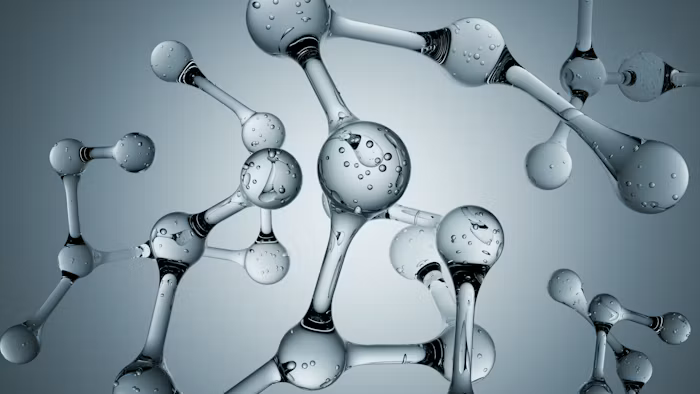
At a molecular level, ambient air consists primarily of 78% nitrogen and 21% oxygen. The fundamental mechanism of an oxygen generator involves passing this compressed air through a specialized matrix of porous adsorbent material.
This separation is not based on molecular size, as oxygen and nitrogen molecules have nearly identical kinetic diameters. Instead, the process relies entirely on polarity and the electrostatic interactions within the adsorbent bed.
Nitrogen molecules possess a larger quadrupole moment compared to oxygen molecules. When pressurized air enters the vessel, these nitrogen molecules strongly bind to the exposed cations inside the adsorbent’s crystalline lattice.
Because oxygen molecules lack this strong electrostatic affinity, they pass freely through the interconnected pores of the sieve bed. This allows an oxygen-enriched product stream to exit the top of the vessel continuously.
The core efficiency of any modern oxygen concentrator relies heavily on the advanced materials used within the adsorption beds. For instance, the deployment of high-performance lithium X-type zeolite molecular sieves, such as those engineered by Jalon, has revolutionized the industry.
By providing a nitrogen adsorption capacity that is 2 to 3 times greater than standard alternatives, these advanced materials significantly reduce the energy required for cyclic desorption.
Critical Factors Impacting Oxygen Yield and Purity
Maximizing the output of an oxygen generation plant requires precise calibration of multiple thermodynamic and mechanical variables. The operating pressure of the feed air directly dictates the saturation limit of the adsorption bed.
Generally, higher feed pressures increase the total gas volume adsorbed, but they also result in exponentially higher compressor energy consumption. Engineers must find the optimal pressure ratio that balances yield with operational expenditure (OPEX).
Inlet air temperature is another critical parameter that heavily influences system performance. Adsorption is an exothermic process, meaning that heat is generated as nitrogen binds to the molecular sieve.
Excessively high ambient temperatures increase the kinetic energy of the gas molecules, subsequently reducing the adsorbent’s capacity to hold nitrogen. Maintaining a feed air temperature between 15°C and 25°C is critical to prevent yield degradation.
The Shift Toward High-Performance Zeolite Molecular Sieves
Historically, industrial PSA oxygen systems relied heavily on traditional 5A or 13X sodium-based zeolites. While functional, these standard sieves require massive vessels to achieve commercial oxygen flow rates due to moderate nitrogen capacity.
The industry is currently experiencing a massive shift toward highly engineered Lithium X-type (LiX) zeolite molecular sieves. LiX zeolites undergo a complex ion-exchange process where native sodium cations are replaced with lithium cations.
Lithium ions are smaller and possess a higher charge density, creating exceptionally strong electrostatic fields within the zeolite pores. This structural enhancement allows the material to capture 2 to 3 times more nitrogen per cycle.
Consequently, facilities can achieve stable oxygen purities of 93% ± 3% using a significantly lower volume of adsorbent material. This reduces the Bed Size Factor (BSF), resulting in smaller equipment footprints and massively optimized electrical consumption.
Moisture Control and Pre-Purification Strategies
The operational longevity of a zeolite bed depends entirely on the quality of the compressed air entering the system. Moisture (H2O) and carbon dioxide (CO2) act as severe contaminants for nitrogen-selective molecular sieves.
Water molecules are highly polar and will preferentially bind to the active cationic sites within the zeolite framework. Once a water molecule occupies a pore, it effectively neutralizes that specific site’s ability to adsorb nitrogen.
This phenomenon, known in the industry as “poisoning,” causes irreversible degradation to the main molecular sieve. CO2 exhibits a similar competitive adsorption behavior, displacing nitrogen and further lowering the oxygen yield.
To mitigate this, industrial PSA systems employ a critical pre-purification strategy at the bottom of the adsorption vessel. An initial sacrificial drying layer composed of Activated Alumina is installed to intercept incoming air.
Activated Alumina acts as a highly efficient desiccant, stripping both free moisture and CO2 from the feed stream. This ensures that only ultra-dry, clean air reaches the highly sensitive, high-performance LiX zeolite layers above.
Maintenance Best Practices for Extending Equipment Lifespan
Protecting the heavy capital investment of an oxygen plant requires moving from reactive repairs to predictive maintenance. Below are key engineering protocols to ensure long-term stability:
- Continuous Dew Point Monitoring: Install precision hygrometers to ensure feed air maintains a pressure dew point of -40°C or lower. Any spike indicates desiccant failure and impending zeolite poisoning.
- Pneumatic Valve Calibration: PSA systems actuate process valves millions of times annually. Routinely inspect valve seals and actuator response times to prevent internal gas bypass and purity drops.
- Oil Coalescing Filtration: For systems utilizing oil-injected compressors, multistage coalescing filters must be strictly maintained. Oil vapor bypass will permanently coat the zeolite pores, requiring a total bed replacement.
- Dust Accumulation Checks: Monitor the pressure drop across the adsorption beds via differential pressure transmitters. Excessive pressure drops often indicate that the sieve is being pulverized into dust due to poor flow distribution.
Ensuring the longevity of an oxygen generation plant requires strict adherence to air quality standards and regular preventative maintenance of the compressor valves. According to the foundational engineering principles of pressure swing adsorption, even minor fluctuations in feed air humidity can exponentially degrade the adsorbent’s microporous structure over repeated pressure cycles.
Routine audits of the pre-filtration stages and the adsorption cycle timing are mandatory for optimal plant performance. By safeguarding the molecular sieve and optimizing cycle parameters, facilities can guarantee decades of reliable oxygen production.