
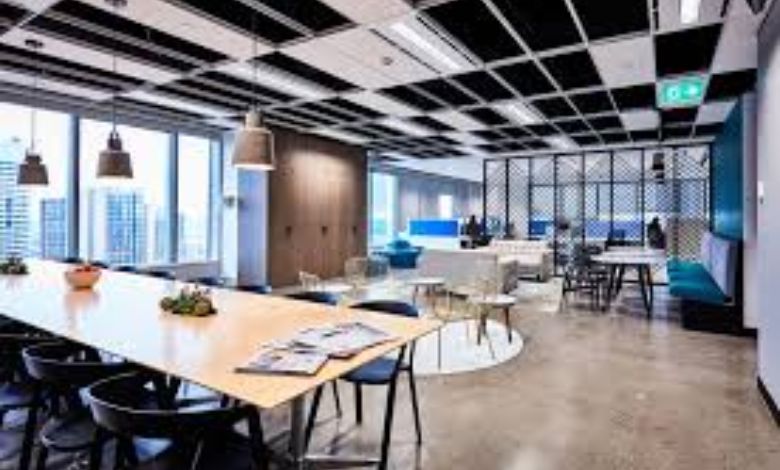
Renovating a commercial office is an opportunity to create a more productive, efficient, and welcoming workplace. Whether the goal is to accommodate business growth, improve employee satisfaction, or modernize outdated spaces, careful planning is essential for a successful outcome. By approaching the project strategically, businesses can minimize disruptions, stay within budget, and create an environment that supports both daily operations and long-term success.
Define Your Renovation Goals
Every successful office renovation begins with a clear understanding of what you want to accomplish. Without well-defined objectives, projects can quickly exceed budgets, experience delays, or fail to deliver meaningful improvements. Establishing priorities early helps guide every decision throughout the renovation process.
Consider the current challenges within your workspace. Perhaps your office lacks sufficient meeting rooms, has outdated layouts, inefficient storage, poor lighting, or limited collaboration areas. Identifying these concerns allows you to create renovation goals that directly address operational needs.
Your objectives should also align with your company’s plans. If you anticipate hiring additional employees, expanding services, or adopting new technologies, your renovated office should be designed with flexibility to accommodate future growth rather than only current demands.
Identify Business Priorities
Creating a list of priorities helps ensure resources are allocated effectively throughout the renovation.
Common renovation priorities include:
- Improving employee productivity
- Creating collaborative workspaces
- Enhancing customer experience
- Increasing energy efficiency
- Modernizing office aesthetics
- Maximizing available space
- Improving accessibility
Ranking these priorities makes decision-making more efficient as the project progresses.
Develop a Realistic Budget and Timeline
One of the most important aspects of any commercial office renovation is creating a budget that accounts for both expected and unexpected expenses. Careful financial planning helps prevent costly surprises while ensuring the project remains financially sustainable.
Your budget should include construction costs, materials, permits, furniture, equipment, labor, temporary workspace expenses, technology upgrades, and contingency funds for unforeseen issues. Older buildings, in particular, may reveal hidden structural or electrical problems once renovation begins.
A realistic timeline is equally important. Renovation projects often involve multiple phases, including planning, permitting, demolition, construction, inspections, finishing work, and final occupancy. Allowing adequate time for each stage helps reduce scheduling conflicts and unnecessary delays.
Prepare for Unexpected Challenges
Even well-planned projects may encounter unforeseen circumstances.
Set aside contingency resources for:
- Material shortages
- Permit delays
- Structural repairs
- Electrical upgrades
- Plumbing modifications
- Schedule adjustments
Planning for these possibilities helps keep the renovation moving forward with minimal disruption.
Design a Functional and Flexible Workspace
An attractive office is valuable, but functionality should remain the primary focus during renovation planning. A well-designed workspace improves productivity, communication, employee comfort, and operational efficiency.
Evaluate how employees use the existing space and identify opportunities to improve workflow. Consider traffic patterns, workstation placement, meeting rooms, quiet work areas, storage solutions, and shared spaces. A thoughtful layout reduces unnecessary movement while supporting collaboration and individual productivity.
Natural lighting, ventilation, acoustics, and ergonomic design also contribute significantly to workplace satisfaction. Creating a comfortable environment can positively influence employee morale, retention, and overall performance.
Select Durable Building Materials
Commercial spaces experience constant daily use, making durability an important consideration.
Choose materials that offer:
- Long-term performance
- Easy maintenance
- Professional appearance
- Energy efficiency
- Safety compliance
- Moisture resistance
High-quality materials often provide greater long-term value by reducing maintenance and replacement costs.
Coordinate With Experienced Professionals
Commercial renovations involve multiple specialized disciplines working together throughout the project. Selecting experienced professionals helps ensure work meets applicable building standards while maintaining project quality and efficiency.
Depending on the renovation scope, your project may involve architects, designers, contractors, electricians, plumbers, flooring specialists, and glazing professionals. Businesses requiring new storefronts, office partitions, or upgraded windows may also benefit from working with a reputable commercial glass company in Kaysville, Utah to ensure glass installations support both functionality and aesthetics.
Maintaining clear communication among all parties helps minimize misunderstandings, improve scheduling, and reduce costly changes during construction. Regular project meetings allow progress to be monitored while resolving issues promptly as they arise.
Review Building Codes and Compliance
Commercial renovations must satisfy various legal and safety requirements before occupancy.
Review considerations such as:
- Building permits
- Fire safety regulations
- Accessibility requirements
- Emergency exits
- Occupancy standards
- Electrical compliance
Addressing these requirements early helps avoid delays during inspections and project completion.
Minimize Workplace Disruptions During Renovation
Maintaining business operations during renovation requires careful planning. Construction activity can affect employee productivity, customer experience, and daily workflows if disruptions are not managed effectively.
Develop a phased renovation schedule whenever possible. Completing work in sections allows portions of the office to remain operational while construction continues elsewhere. Temporary workspaces, flexible scheduling, or hybrid work arrangements may also help reduce interruptions.
Keep employees informed throughout the renovation process by providing regular updates regarding schedules, temporary changes, and safety procedures. Clear communication reduces uncertainty while encouraging cooperation during periods of transition.
Evaluate the Finished Space
Before considering the project complete, conduct a thorough final evaluation.
Review items including:
- Construction quality
- Safety features
- Lighting performance
- HVAC operation
- Technology systems
- Furniture placement
- Accessibility
- Employee functionality
Addressing any remaining concerns before full occupancy ensures the renovated office fully supports your business objectives.
Conclusion
A successful commercial office renovation requires careful planning, realistic budgeting, thoughtful design, and effective coordination among experienced professionals. By defining clear goals, preparing for unexpected challenges, and prioritizing both functionality and flexibility, businesses can create workspaces that support productivity and future growth. Investing time in proper planning helps ensure your renovated office delivers lasting value for employees, customers, and the organization as a whole.